WILD EDIBLES
- Feb 1, 2025
- 8 min read
By Dorothy Cline, Paws Cause PR

Flowers are flavorful food! Not only for the hummingbirds and bees but for us humans too. The petals of flowers are a kind of modified leaf, and the flowers are classified as a vegetable. Except for fruits and seeds, any part of a plant that is eaten by humans is considered a vegetable. While we tend to focus on their beauty and aromatic appeal, we have forgotten that many of them are surprisingly yummy as well as medicinal.
Flora and fauna have been used in a wide variety of cuisines around the world for thousands of years. Historical records indicate that the use of flowers as food began around 600 years ago, significantly influencing international food culture and cuisine. At local restaurants, coffee shops, and teahouses, you might notice the pretty floral additions to the menus such as; rose macarons, lavender lemonades, hibiscus tea, or geranium sherbet.

Ancient Roman, Greek, Indian, and Chinese herbalists, along with Ayurvedic practitioners, extensively discussed the health benefits of consuming flowers. The Incas, Aztecs, and Hindus also incorporated edible flowers into their sacred religious rituals. In some cultures, echinacea flowers were chewed during ceremonies, while chrysanthemums were used in ceremonial drinks and cooking in ancient China. Another edible floral treasure is the lotus flower. Its surprising culinary applications cross cultural boundaries, offering a blend of flavors, textures, and nutritional advantages. From the adaptable lotus root to the popcorn-like crunch of lotus seeds and the graceful appeal of lotus petals, each part of the plant offers something special and distinct for the palate as well as the spirit.

Some yummy edible flowers include citrus blossom, clover, daisies, dandelions, hibiscus, honeysuckle, lavender, lilac, mums, nasturtium, pansies, roses, sunflowers, violets, and many more.
If you are unable to grow edible flowers in your garden or greenhouse, remember to purchase only certified organically grown flowers and seeds, as they will be free from harmful pesticides. Foraging can be risky unless you are a Botanist and have an exceptionally keen eye in distinguishing between the vast species. Some flowers and their leaves may be edible and some MAY NOT. For example; Calendula and Marigolds look very similar; however, one is edible and the other not-so-much. We have distinguished between the two below. When buying edible flowers and leaves, always be sure to read the labels on the package to confirm that these flowers are intended for human consumption and approved by the U.S. Department of Agriculture (USDA)

La Vie En Rose
With their velvety soft petals and sharp thorns, roses have long symbolized the contrast between the sweet and bitter sides of Ooh-La-La-Amore. The duality, beauty, and sensual fragrance of roses have made them cultural icons worldwide. The fruit of the rose plant (rosehips ) is an excellent source of vitamin C, and its oil is popular in beauty products. Rose petals infused in water create a delightful aromatic, sweet tea. The stems and leaves of rose plants are also edible, adding a subtle sweet delicate flavor to baked goods, cocktails, chocolates, and desserts. Roses can be infused with a splash of cardamom into a tasty tea, candied, turned into a simple syrup, or, wait for it...baked into a decadently delicious cake (see recipe above). Truly a stunning feast for the eyes, an unexpected treat for the taste buds, and a scrumptious surprise for senses.
Violets
Violet petals can and should be used in just about all the same way rose petals can. Their petals are sweet and their leaves taste like spinach, with twice the vitamin A of spinach and twice the vitamin C of oranges. Wild violets come in over 100 different varieties. Although they all are edible, some are tastier than others. The common blue violet is the most harvested. Violet petals make a delicious vinaigrette, addition to a tangy salad, and a superb jelly.
Lavender
Originating from the Mediterranean and parts of Asia, Africa, and Europe, lavender thrives in milder climates. Interestingly, lavender is a member of the mint family, Lamiaceae (formerly Labiatae). You may be surprised to learn that many other plants in the mint family include bergamot, holy basil, sage, and more. Typically, lavender is used to infuse and flavor oils and syrups, as a refreshing addition to teas, lattes, or lemonades, to enhance ice cream, and to provide a delicate floral sweetness to desserts and other baked goods. Lavender is not only delightful for the taste buds but also beneficial as aromatherapy. For dogs, lavender also serves as a natural flea repellent. NEVER USE LAVENDER ON CATS.


Calendula (not Marigolds)
Let's start by differentiating between marigolds and calendula flowers. Calendulas feature long petals and broad, rounded leaves. In contrast, Marigolds (Tagetes spp.) have shorter, compact petals and slender leaves. Although both are part of the daisy family, calendulas more closely resemble daisies. Calendulas add a peppery zest to salads, salsas, scrambled eggs, quiche, frittatas, pasta, bread, and iced teas. Their blossoms can also be incorporated into soups, rice, risotto, or creamy cheese dip to add a touch of vibrant gold color and a mild peppery, saffron-like flavor.


Pansies (the happiest flower EVER!)
The pansy is not just another pretty face!
Certain types of pansies offer a mildly sweet taste, while others have a more wintergreen flavor that becomes more intense the more you eat. For instance, an entire flower has a stronger taste than just a few petals. Pansy flowers can be added to salads and sandwiches or used as garnishes on petits fours, cupcakes, frosted cakes, or parfaits. Enhance your cocktails or mocktails with adorable ice cubes containing pansies and blueberries or create an elegant ice mold with a whole bouquet frozen inside to impress your guests! Consider trying these delightful mini lemon-pansy tartlets.

6. Nasturtiums

These golden beauties appear in nearly every ancient culture. Historical records indicate that their cultivation dates back around 600 years, playing a significant role in both French and English cultures. These vibrant orange and yellow flowers have a slightly spicy, peppery taste similar to watercress. They complement salty or pickled snacks and salads well. Their seeds can also be soaked in vinegar and used as a substitute for capers. Nasturtium is also a natural antibacterial agent. For this reason, some people use it to disinfect wounds and assist in treating respiratory issues, such as bronchitis and congestion, as well as urinary tract infections.
ALOHA hibiscus!
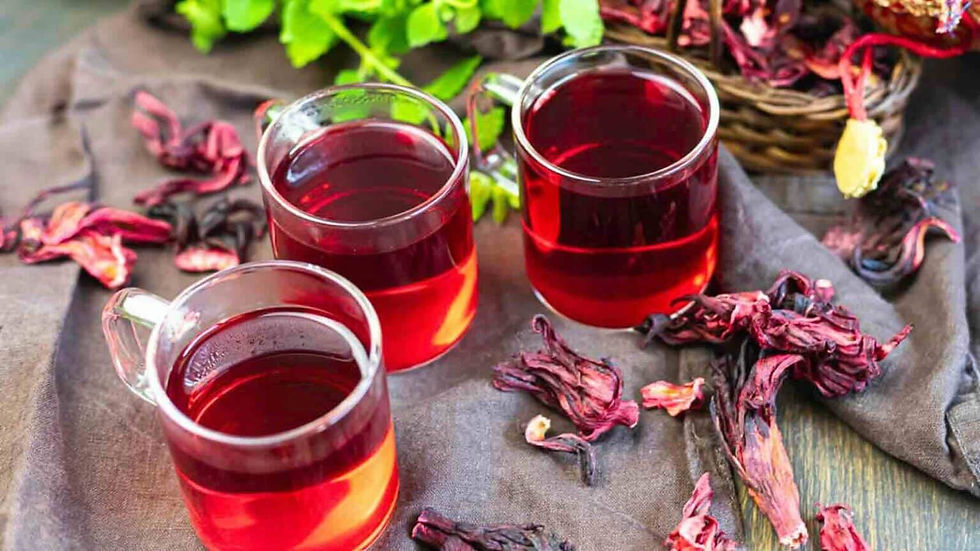
The savory blooms of tart tropical hibiscus are frequently used to craft a dark pink tea, frozen desserts, cocktails, chutney, cider, and anything you wish to infuse with an earthy-cranberry-like flavor, enhanced with a squeeze of fresh lime. It complements lavender, mint, rosemary, and thyme well. No Jamaican Christmas is complete without this sweet-tart, gingery hibiscus drink. "Sorrel" is a delightfully spicy and festive hibiscus beverage infused with ginger, cloves, and allspice. In Mexico, these same dried hibiscus flowers are used to make "Agua de Jamaica", a hibiscus agua fresca ("cool water", also known as iced).
Dandelion
"Who you calling a weed?"

Respect the Dashing Dandelion, for It is a super-food and not a “weeds”. The roots, leaves, and flowers of the dandelion are not only and happy and attractive but the nectar is also delicious and nourishing, which the bees and other pollinators can attest to. Known to pop up unexpectedly in often-surprising locations, this vigorous weed is difficult to suppress and regenerates quickly. Every component of the resilient little dandelion plant is edible and rich in nutrients like vitamins A, C, and K, folate, calcium, and potassium. Moreover, they contain various antioxidants in the roots, leaves, and flowers. The name derives from the French term 'dents-de-lion', meaning 'lion’s teeth'.
The Celts consumed dandelion flower wine to aid digestion. The flowers serve as vibrant additions to salads, particularly those with dandelion greens. Dandelion greens are the red and green leaves sprouting from the hollow stem of a dandelion plant. These leaves possess an earthy, pleasantly bitter taste that becomes milder when cooked, similar to how you would prepare kale, chard, mustard greens, or spinach. INTERESTING FACT: The flowers are highly valued for their mild analgesic (pain-relieving) properties, making them an excellent component in products designed for sore muscles or other external aches and pains.

The Magical Story of The Dandelion
...Little one” said the Flower Fairy “What are you called and where would you like to live?”
“I am a dandelion” said the little flower. "I'd like to live where ever there are children. I want to live beside the road, and in the meadows, and push up between the sidewalks in the cities, and make everyone feel happier when they see my bright colors.” The Dandelion chattered on happily saying “I want to be the first flower that the children pick in the spring and take to their mothers. And I could tell if a child likes butter by being rubbed under their chins, and if a child makes a wish and blows my seeds, I could carry that wish on the wind.”
The Flower Fairy smiled brightly and said “Little Dandelion, you are the most perfect and special flower of all and you shall have your wish! You will blossom everywhere from spring till fall, and be known as the children’s flower.”

Geranium
Although not as frequently used in culinary applications as roses and lavender, geranium can be added to ice creams, lemonades, and pastries to impart a light citrus flavor. The tanginess and fragrant aroma of geranium leaves set them apart from the sweeter flavors of other flowers and the savory notes of certain herbs. There are numerous varieties of scented geraniums, with leaves and flowers reflecting the taste of each type; for instance, lemon geraniums have a citrus flavor, rose geraniums have a perfumy taste similar to a tea rose, and nutmeg and ginger geraniums resemble those spices.
Though not as frequently used in culinary applications as roses and lavender, geranium is occasionally employed as a flavor enhancer in ice creams, lemonades, and pastries when a milder citrus taste is preferred. The tartness of geraniums sets them apart from the sweeter flavors of other flowers and the savory notes of certain herbs. The F.D.A. considers these varieties of geranium products generally safe for consumption:

Geranium
Geranium extract
Geranium oil
East Indian geranium extract
East Indian geranium oil
Rose geranium oil
IMPORTANT NOTE! An important thing to note is that while humans can consume edible geraniums, this type of plant is toxic to dogs, cats, and horses.T

Common Lilac (Syringa vulgaris is the only variety the FDA approves for human consumption)
If you’ve ever enjoyed the intoxicating scent of lilac, you can imagine how sweet they taste. A perfect sweet treat to add to summery drinks, frozen yogurt, or hot tea.
SHOCKER ALERT! Lilacs are part of the olive family. Yes, you heard it right, the olive family. These shrubs belong to the Oleaceae family, which encompasses over 20 different plant species, including olives, ash, and jasmine.

These angelic, fluffy pink, purple-blue blooms can be harvested, with each flower carefully hand-plucked from its stem and soaked in a cream bath to infuse and create the most creamy dreamy ethereal out-of-this-world gelato or ice cream. The simplest way to capture lilac essence (since it naturally lacks oil) is to make lilac-infused sugar syrup. Once you have enough syrup, you can use it to craft decadent retro cocktails, frosting, beautiful and delicious candied flowers for decoration or garnish, cupcakes, and exquisite fancy petits fours.

Next time you stop to smell the roses, forage a few of the rose hips for your tea, the pedals for your vanilla yogurt, don't be greedy and never forget to thank Mother Nature.
Comments