The Ugly Truth About RAWHIDE!
- Feb 4, 2025
- 6 min read
By Dorothy Cline, Paws Cause PR
NEVER FEED RAWHIDE TO YOUR DOGS. Period.
Every Pet Parent Needs to Know the Ruff Truth about Rawhide.
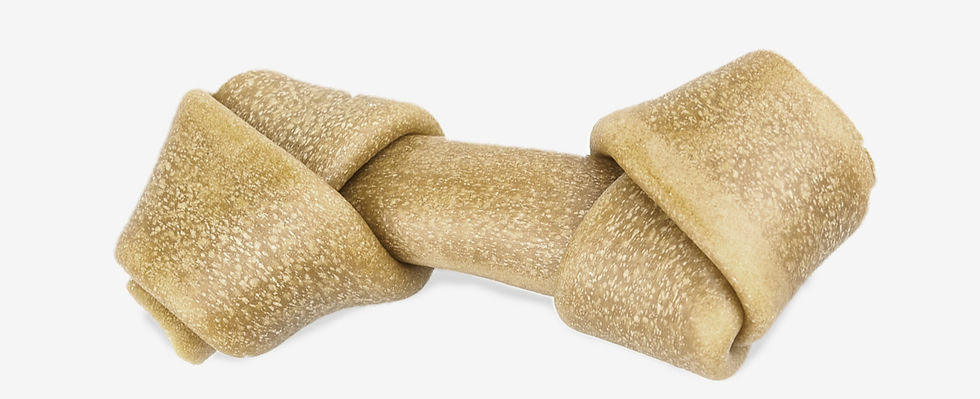
How can one of the most popular chew sticks on the planet be so dangerous for your pets you ask?
As a Naturopathic Veterinary Technician, I have personally assisted in numerous emergency life-saving surgeries due to dogs ingesting rawhide, either by choking on it or suffering from severe bowel obstructions. Unfortunately, many of these incidents resulted in fatalities. Examine the rawhide product label. It actually cautions that these potentially fatal incidents can occur. This is surely a red flag. Another significant issue (in addition to intestinal blockage, bowel perforation, pain, bloating, choking, and death!) is the questionable origin of these rawhide chews and their ACTUAL ingredients.
So, let’s start with what the heck rawhide is. The name ‘rawhide’ is technically incorrect. A more accurate name would be ‘processed hide’, as the hide (skin) isn’t raw at all, and depending on the source of origin, it is not even real skin, but synthetic material.
Rawhide is not dehydrated-meat or the by-product of the beef industry. Rawhide is actually the by-product of the “Leather Industry”, so theoretically it is a leather chew. Rawhide chews are made from the leather industry’s leftovers. Most hides are taken directly from the kill floors at slaughterhouses and placed into high-salt brines, which helps slow their decay (Insert gag reflex here!).
“Producing rawhide begins with the splitting of an animal hide, usually from cattle. The top layer (grain) is generally tanned and made into leather products, while the inner layer, in its “raw” state, goes to the dogs.” (Source: TheBark.com )
Brace yourself for yet more of the UGLY (rawhide) TRUTH.

So let me tell you the story of how this toxic leather is processed and how it ends up in cute little enticing shapes and marketed directly to unassuming Pet Parents who innocently believe that rawhide is a dried “meat stick” and will release stress and reward our fury BFF’s with hours of fun. Wrong!
STEP 1: Normally, cattle hides are shipped from slaughterhouses to tanneries for processing. These hides are then soaked in brine and treated with a chemical bath to help “preserve” the product during transport and to help prevent spoilage. Keep in mind, that some of these hides are shipped from China and other countries which means more chemicals.
Once at the tannery: the hides are soaked again and treated with either an ash-lye solution or a highly toxic recipe of sodium sulphide liming. This process will help strip the hair and fat (yuck!) that may be attached to the hides themselves. These hides are then treated with more chemicals that help “puff” the hide, making it easier to split into layers.
The outer layer of the hide is used for goods like car seats, clothing, shoes, handbags, luggage, etc. But, it’s the inner layer, (along with gelatin and glue!) that is needed to make the rawhide.
STEP 2: BUT WAIT! THERE'S MORE...
Now that we have the inner layer of the hide, it’s time to go to the post-tannery stage! Hides are washed and whitened using a solution of hydrogen peroxide, bleach (and even harsher chemical whiteners). These chemicals will also help mask the smell of the rotten leather. Yummm! 😡🤮
STEP 3: Now it’s time to make these whitened sheets of “leathery by-product” look delicious! This is where the creative artistic process comes in. Products are basted, smoked, and tinted (painted) to be made into virtually any color (or shape and scent) beneath a coating comprised of even more dyes and preservatives. They can also be coated with the controversial titanium oxide (what???!!!) to make them appear whiter and more visually appealing for merchandising purposes.

STEP 4:
Because the FDA does not consider these chews to be “food”, it’s an open market when it comes to the manufacturers. You see, with no restrictions on these leather strips (since they are not considered consumable food by the FDA), they are free to add basically anything to these chewies to ensure that they last forever. Any type of glue may be added to get them to hold together and last forever.
WHEN TESTED: Lead, arsenic, mercury, chromium salts, formaldehyde, and other toxic chemicals have been detected in rawhide chews.
Rawhide chews begin as hard objects, but as your dog chews on them, they soften. Eventually, your dog can untie the knots at each end, and the chew transforms into a slimy texture similar to taffy or bubble gum. At this point, your dog finds it almost irresistible and can't stop chewing. They may even get frustrated and try to swallow it whole. Herein lies the dangerous problem.

Dogs have a natural need to chew. This activity strengthens their jaws, cleans their teeth, and keeps them engaged and mentally stimulated. Scientifically, chewing triggers the release of endorphins, which are the happy hormones and natural chemicals produced in a dog's body. These endorphins have a calming effect, reducing stress and anxiety over time. Additionally, chewing can alleviate the discomfort of teething in puppies.
Get Along, Little Doggies!

A Round of A-Paws for Healthy Alternatives to Rawhide
Antlers. Deer and elk antlers are fantastic treats for your pet. They are naturally shed meaning no Deer or Elk are ever harmed to acquire the keratin antlers. Although not recommended for senior dogs or puppies.
Redbarn Organic Antler Dog Chews Benefits:
Contains abundant bone-strengthening calcium and phosphorus, along with magnesium, potassium, zinc, iron, and trace elements that enhance overall canine health.
Rich in glucosamine and chondroitin sulfate to support joint health and assist in reducing inflammation.
A non-allergenic, low-calorie, nearly fat-free source of protein and amino acids.
An odorless dog dental chew to aid oral hygiene and help eliminate tartar and plaque.

NO-HIDES By Earth Animal. Baked to perfection! This recipe is made by a Veterinarian to give your puppy a comparable chew to rawhide; however, ultimately it is 100% digestible. In the tummy, NO HIDE chews break up like a cracker and are gentle on the stomach. Made from organic eggs, brown rice, agar agar (in the seaweed family), pineapple stem, banana powder, and your pup's flavor of choice (and there are 6+ mind-blowing flavors!) are tasty rawhide alternative chews that provide long-lasting entertainment. Earth Animal No-Hides are free from rawhide, bleach, synthetic materials, and preservatives. They are proudly crafted in the USA using Earth's finest ingredients, featuring sustainably sourced proteins.
More than anything, size matters and supervision counts.
SAFETY FIRST. ALWAYS: Make sure you know your animal's chewing style and that you choose the appropriate size chew (larger than their mouth) for them. Always supervise them while they chew.
HERE IS THE APPROPRIATE 'NO HIDE' SIZING FOR YOUR PUP:
TEACUP/SMALL DOGS/CATS up to 15lbs. | No-Hide STIX |
MEDIUM DOGS – 15-45lbs. | No-Hide Bone – Small (4″) |
LARGE DOGS – 45-75lbs. | No-Hide Bone – Medium (7″) |
GIANT DOGS – 75+lbs. | No-Hide Bone – Large (11″) |


Sweet Potato Chews. Sweet potatoes are the ultimate light snack for your pup and are good for digestion. HOWEVER, they are very high in carbs. So moderate.
Key points to remember:
Ensure sweet potatoes are cooked before giving them to your dog: Dogs may have trouble digesting raw sweet potatoes.
Remove the sweet potato skin: The skin can be tough for dogs to digest.
Avoid adding seasonings: Do not use salt, butter, or other spices when preparing sweet potatoes for your dog.
Frozen Carrots. Frozen carrots are natural treats that most dogs love. They are yummy baked like chips as well. Every carrot provides your dog with an increase in potassium, calcium, magnesium, phosphorus, beta-carotene, and vitamins A, B, C, D, E, and K. This vegetable is also rich in other phytonutrients that can shield their eyes from the sun.

An all-natural dental chew AND my Leila's fav! Made with Potato Flour, Miscanthus Grass, Vegetable Glycerin, Brown Rice Flour, Natural Flavor, Sunflower Lecithin, Parsley, Cultured Skim Milk, Cumin. Crafted with playful ridges and grooves to access the spaces between a dog's teeth and gums. Every treat aids in controlling tartar accumulation while softly massaging gums and removing harmful plaque.

Collagen sticks for dogs are a chewable treat made from collagen. Collagen is an essential component for healthy skin, coat, and joints. It is also the main protein found in the connective tissues from beef, bovine, chicken, or fish. The collagen is processed into a bar that dogs can chew on.
Ranking 'tough' on The Chew Meter, collagen chews offer an extra protein boost while supporting dental health. Adding collagen to your dog's diet allows you to give your dog a delicious treat while managing their fat intake. Collagen is a naturally occurring protein present in the skins, bones, and cartilage of cows. Bovine collagen may offer several benefits, such as easing osteoarthritis symptoms, preventing bone loss, and enhancing skin and coat health. They can also support healthy joints and muscles, encourage hair growth, strengthen nails, and assist in digestion by breaking down proteins and calming the gut lining. Tuesday's Natural Dog Company is a trusted source with a sweet origin story!

Bone Appétit and remember to always be the person your dog thinks you are!

Comments